*The information provided in this blog is general in nature and should not be considered medical advice. Individual conditions vary, and proper evaluation is important. To receive accurate diagnosis and treatment, we encourage you to book an appointment with our experienced medical team.

7 Shockwave Therapy Side Effects & Duration
If you’re thinking about treatment for stubborn tendon, heel, or joint pain, it’s completely normal to wonder what happens afterward. Many patients ask about shockwave therapy side effects before they book their first session, and for good reason. Even when a treatment is non-surgical, you still want to know what it feels like, what reactions are normal, and when things should settle down.
The good news is that most side effects of shockwave therapy are mild, short-lived, and limited to the treated area. In this blog, you’ll learn the seven most common reactions patients notice, how long they usually last, what counts as normal healing, and how to lower discomfort while recovering.
Understanding Extracorporeal Shockwave Therapy
Before we get into the side effects of shockwave therapy, it helps to understand what the treatment is actually doing. Extracorporeal Shockwave Therapy (ESWT) uses controlled sound waves to target injured or painful tissue. It is commonly used for conditions such as plantar fasciitis, tennis elbow, Achilles tendinopathy, and other stubborn soft tissue problems.
These sound waves create tiny, controlled stress in the tissue. That may sound alarming, but it is part of the treatment’s purpose. The body responds by increasing blood flow and kick-starting a healing response in an area that may have been slow to recover on its own.
Because the treatment is designed to stimulate healing, some temporary soreness or irritation can happen afterward. That is why understanding shockwave therapy risks ahead of time can help you feel more prepared. For most patients, the short-term discomfort is manageable and much easier to deal with than ongoing chronic pain.
The 7 Common Side Effects of Shockwave Therapy
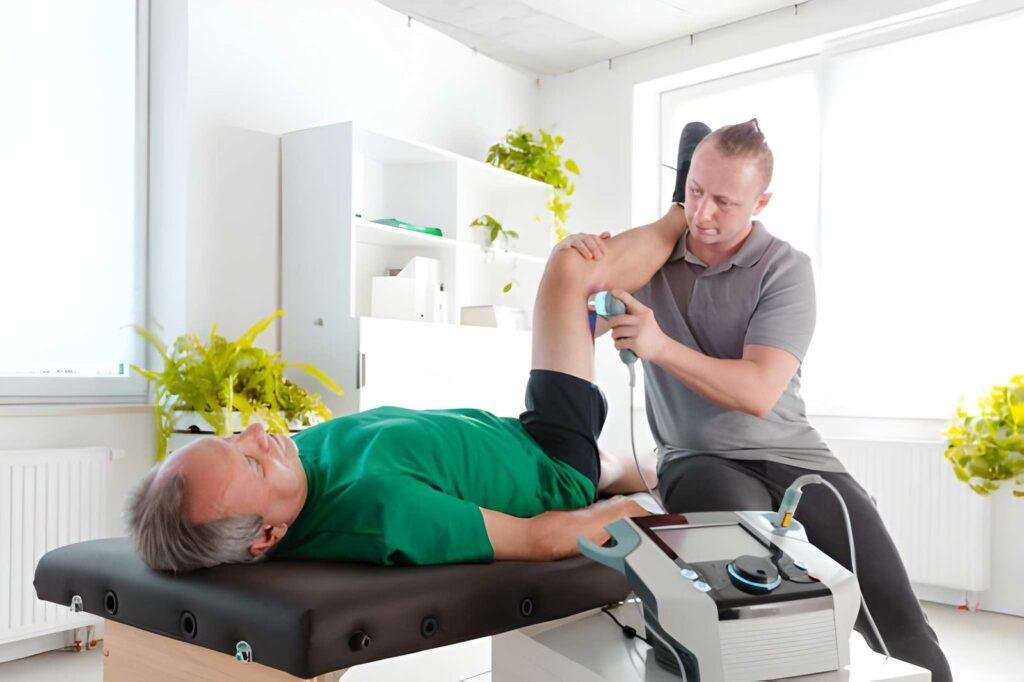
Shockwave therapy is generally considered safe when performed by a qualified provider. Still, like many treatments, it can cause some temporary reactions. Most shockwave therapy side effects are mild, expected, and settle within a few days.
1. Mild to Moderate Pain During Treatment
The most common thing patients notice is discomfort during the session. Often people describe it as a tapping, pulsing or sharp pain over the injured area. The sensation may be stronger in areas that are already inflamed or sensitive.
2. Localized Swelling
A little swelling can happen after treatment, especially in areas that were already irritated before the session. This happens because the body is responding to the treatment by sending more blood and healing signals to the area.
Mild swelling is usually not a cause for concern. It is often one of the more common side effects of shockwave therapy and tends to improve within a couple of days.
3. Redness and Skin Irritation
Some patients notice that the skin looks pink, red, or slightly irritated after treatment. This usually appears right where the applicator was used. It can happen from both the shockwave energy and the contact on the skin during the session.
4. Bruising Around the Target Area
Light bruising can happen, especially in patients with sensitive skin or those who bruise easily. The pressure from the treatment may affect tiny blood vessels near the surface, which can leave a small bruise afterward.
While it can look concerning, this is usually minor. It tends to fade the same way a regular bruise would over several days.
5. Numbness or Tingling
Some people feel tingling or slight numbness after the appointment. This is usually temporary and can happen because the treated nerves and tissues have been stimulated during the session.
In most cases, this feeling passes quickly. Many patients notice it improves within a few hours, and sometimes even before they leave the clinic.
6. Throbbing or Aching After the Session
Once treatment is over, you may feel a dull ache or throbbing in the area. This is one of the most commonly reported shockwave therapy side effects and can feel similar to soreness after a hard workout.
This type of discomfort is usually a sign that the tissue is reacting to treatment. It can be annoying, but it is generally temporary and tends to settle within a few days.
7. Temporary Worsening of Original Symptoms
This is the side effect that surprises some patients most. Occasionally, the pain you came in for may feel a bit worse before it starts getting better. That short flare-up can happen because the treatment reactivates a healing response in tissue that has been chronically irritated.
Although it can feel discouraging, this does not always mean something is wrong. In many cases, the increase is temporary and improves as the tissue begins to recover.
Timeline: How Long Do These Reactions Last?
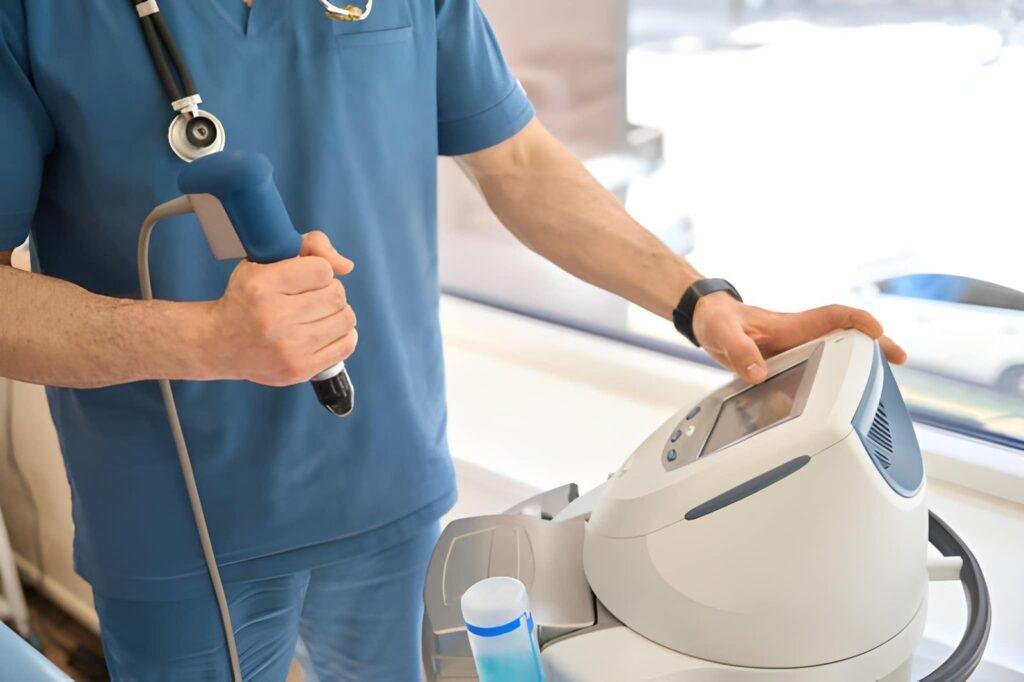
One of the most common patient questions is simple: how long will this last? The answer depends on the person, the area treated, and how sensitive the tissue was to begin with. Still, most side effects of shockwave therapy follow a fairly predictable pattern.
Here is what you can expect:
- Within a few hours: Redness, tingling, or mild numbness.
- Within 24 to 72 hours: Swelling, aching, and throbbing are most noticeable.
- Within 5 to 7 days: Minor bruising or skin discoloration often fades by the end of the week.
- Within 48 to 72 hours: A temporary flare-up of your original pain often starts settling during this time.
If your symptoms feel unusually intense, keep getting worse, or last longer than expected, it is a good idea to contact your provider. While serious shockwave therapy complications are uncommon, persistent pain should always be reviewed by a healthcare professional.
Managing Shockwave Therapy Complications
Most patients do well after treatment, but good aftercare still matters. Here are the main steps patients are usually advised to follow after a session:
- Avoid running, jumping, heavy lifting, or intense exercise for at least 48 hours.
- Do not ice the treated area unless your provider specifically tells you to.
- Avoid Non-Steroidal Anti-Inflammatory Drugs (NSAIDs) such as ibuprofen or naproxen for a few days if your clinician advises against them.
- Use any recommended support, such as proper footwear, braces, or orthotics, if prescribed.
This advice can seem unusual, especially the part about avoiding ice or anti-inflammatory medicine. The reason is that the treatment works by creating a controlled healing response. If you shut that response down too soon, you may reduce the benefit of the session.
If you need pain relief, ask your clinic what is safe for you to take. Rest, gentle movement, and following your treatment plan usually give your body the best chance to heal well.
Conclusion
Knowing what to expect can make treatment feel much less intimidating. Most shockwave therapy side effects—such as soreness, mild swelling, redness, or bruising—are temporary and part of the body’s normal response to treatment. They usually improve within a few days and do not lead to lasting problems.
Medical Disclaimer: The information provided in this blog is for educational and informational purposes only and does not constitute medical advice. Always consult a qualified healthcare provider for personalized medical diagnosis, treatment, and advice regarding any medical condition or before starting any new treatment plan.
FAQs
Most patients describe shockwave therapy as uncomfortable process rather than unbearable. The sensation is often a tapping, pulsing, or aching feeling focused on the injured area. Doctor can usually adjust the intensity to make treatment easier to tolerate.
Most people can drive home right after the appointment. Shockwave therapy usually does not require sedation or anesthesia, so it should not affect your ability to drive. If the treated area is especially sore or involves mobility, your provider may give you more specific guidance.
Many doctors ask patients to avoid ice because the treatment is meant to trigger a healing response. Ice can reduce circulation and calm inflammation, which may interfere with that process. Since recommendations can vary by condition, it is best to follow your clinician’s aftercare instructions closely.
Shockwave therapy may not be suitable for everyone. People with certain blood clotting disorders, active infections, nerve-related issues, or specific medical devices may not be ideal candidates. Pregnant patients are also often advised to avoid it. A proper medical evaluation is important before starting treatment.
Many patients need three to five sessions, usually spaced about a week apart, though this can vary depending on the condition being treated. Some people feel improvement early, while others notice gradual progress over several weeks.
Medical Disclaimer: This blog is provided for informational and educational purposes only and should not be considered medical advice, diagnosis, or treatment recommendations. The content represents general information about benign prostatic hyperplasia and related conditions based on medical knowledge and clinical experience, but every patient’s situation is unique. Prostate conditions can be serious and require proper medical evaluation and treatment. Do not use this information to self-diagnose or self-treat.
Always consult with a qualified healthcare provider, preferably a urologist, for proper evaluation, diagnosis, and treatment recommendations specific to your individual health situation. Treatment options, risks, benefits, and outcomes vary significantly between patients based on age, overall health, prostate size, symptom severity, and other medical conditions.
Medications mentioned carry specific risks and side effects that must be discussed with your doctor. Delaying proper medical care for prostate conditions can lead to serious complications, including kidney damage, bladder damage, urinary retention, and other health problems. If you experience inability to urinate, blood in urine, severe pain, or other urgent symptoms, seek immediate medical attention. This content does not create a doctor-patient relationship.