*The information provided in this blog is general in nature and should not be considered medical advice. Individual conditions vary, and proper evaluation is important. To receive accurate diagnosis and treatment, we encourage you to book an appointment with our experienced medical team.

P-Shot Before and After: Real Results
Sexual performance concerns are common, and many men look for options beyond daily pills or surgery. If you are exploring a more natural treatment, the P-Shot may be worth learning about. Looking at P-Shot Before and After results can help you understand what this treatment may do and what kind of timeline to expect.
In this guide, we explain how the P-Shot works, what recovery is like, when you may start to notice changes, and what results are realistic. We also cover common p-shot benefits, how the p-shot for ED may help, and what to ask before booking treatment.
Understanding the P-Shot Procedure
The Priapus Shot (also called the P-Shot) is made from the platelet-rich plasma (PRP) of your own blood. PRP contains growth factors that can help healing, blood flow and tissue repair.
During the treatment, a provider takes a small amount of your blood. The blood is then placed in a centrifuge to separate the platelet-rich plasma. After numbing the area, the PRP is injected into specific areas of the penis.
The goal is to support better blood flow, improve tissue health, and help with sexual function.
Top P-Shot Benefits

Men choose the P-Shot for different reasons. Since it uses your own blood, the risk of an allergic reaction is low. It is also a non-surgical treatment, and most men return to normal daily activities soon after.
1. Increased Blood Flow
Better blood flow can help support stronger and more reliable erections. This is one of the main reasons men consider the P-Shot.
2. Improved Sensitivity
Some men report better sensation and pleasure after the healing process. Results can vary from person to person.
3. Support for Other Treatments
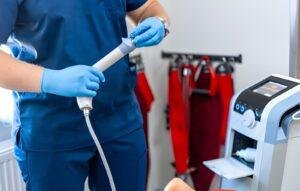
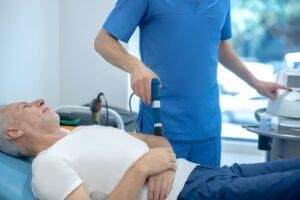
For some men, the P-Shot may work well with other treatments, such as oral ED medication or acoustic wave therapy. Your provider can help decide what is best for you.
Must Read: 7 Shockwave Therapy Side Effects & Duration
Using the P-Shot for ED
Erectile dysfunction, or ED, can happen for many reasons. Poor blood flow is one common cause. The p-shot for ED is often used to support blood flow and tissue repair in the penis.
This treatment may help men with mild to moderate ED, especially when circulation is part of the problem. However, it may not be the right option for every case. ED can also be linked to hormones, stress, nerve issues, medications, or other health conditions.
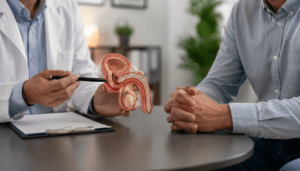
That is why a consultation is important. A qualified provider can review your health history and help you understand whether the P-Shot is a good fit.
What to Expect: Timeline and P-Shot Results
P-shot results do not happen overnight. Your body needs time to respond to the PRP. Some men notice small changes early, while others see results over several weeks.
Weeks 1 to 3: Early Healing
You may notice some temporary fullness after the injection. Mild soreness, swelling, or bruising can happen. It is initial healing time.
Weeks 4 to 8: Noticeable Changes
This is when many men start noticing changes. Erections may be harder, and sensation may be better. These changes depend on your health, age, blood flow and the reason for your symptoms.
Weeks 9 to 12: Peak Results
For many patients, results are more noticeable around three months. This is when tissue repair and blood flow support may be at their strongest.
Some men may need more than one session or a combination of treatments to reach their goals.
P-Shot Recovery Time

P-shot recovery time is usually short. The treatment often takes about 30 to 45 minutes in the clinic.
Most men can return to regular daily activities the same day. You may have mild bruising, swelling, or soreness for a day or two. Your provider will give you aftercare instructions based on your case.
Many patients are told to avoid sex for 24 to 48 hours or until they feel comfortable. Some providers may also suggest the use of a penis pump after treatment to stimulate blood flow and assist in distributing the PRP.
Always follow the instructions given by your own provider.
Take the Next Step for Your Sexual Health
Understanding the P-Shot before and after timeline can help you know what to expect. The P-Shot may support better blood flow, improved sensation, and stronger sexual performance for some men. Results take time, and they can vary from person to person.
If you are dealing with ED or changes in sexual function, you do not have to guess what to do next. Book a private consultation with our clinic today to learn whether the P-Shot is the right option for you.
FAQs
Most providers use a strong numbing cream before the injections. Many men describe the feeling as pressure or a small pinch, not severe pain.
Results vary. Some men notice benefits for 12 to 18 months. Others may need maintenance treatments sooner. Your provider can give you a more personal estimate.
Side effects are usually mild. They may include redness, bruising, swelling, or soreness at the injection site. Since PRP comes from your own blood, allergic reactions are uncommon.
Many men can resume sexual activity within 24 to 48 hours. It is best to wait until soreness has improved and your provider says it is safe.
Yes, in some cases. The P-Shot may be combined with ED medication, acoustic wave therapy, hormone support, or lifestyle changes. Your provider will recommend a plan based on your needs.
No. The P-Shot may not be suitable for every patient. Men with certain medical conditions, blood disorders, or active infections may need other options. A medical consultation is the best way to find out.
Medical Disclaimer: This blog is provided for informational and educational purposes only and should not be considered medical advice, diagnosis, or treatment recommendations. The content represents general information about benign prostatic hyperplasia and related conditions based on medical knowledge and clinical experience, but every patient’s situation is unique. Prostate conditions can be serious and require proper medical evaluation and treatment. Do not use this information to self-diagnose or self-treat.
Always consult with a qualified healthcare provider, preferably a urologist, for proper evaluation, diagnosis, and treatment recommendations specific to your individual health situation. Treatment options, risks, benefits, and outcomes vary significantly between patients based on age, overall health, prostate size, symptom severity, and other medical conditions.
Medications mentioned carry specific risks and side effects that must be discussed with your doctor. Delaying proper medical care for prostate conditions can lead to serious complications, including kidney damage, bladder damage, urinary retention, and other health problems. If you experience inability to urinate, blood in urine, severe pain, or other urgent symptoms, seek immediate medical attention. This content does not create a doctor-patient relationship.